Try a three‑line journal: what moved, what stalled, what matters. Share one constraint transparently. Decline meetings without agendas. Protect thirty minutes for deep work, even if it means walking while thinking. Your example grants permission for healthier, more thoughtful mid‑day rhythms across the organization.
When alarms ring near lunch, name the knowns, assign a single owner, and clarify a two‑hour objective. Keep channels quiet, record decisions, and schedule a retrospective later. People perform better when the plan feels simple, humane, and grounded in steady, respectful communication.
Informal check‑ins build trust faster than formal reviews. Ask what success looks like today, what feels heavy, and what would make progress lighter. Offer one resource, not five. The goal is renewed clarity, not more tasks—small guidance that unlocks big afternoon outcomes.
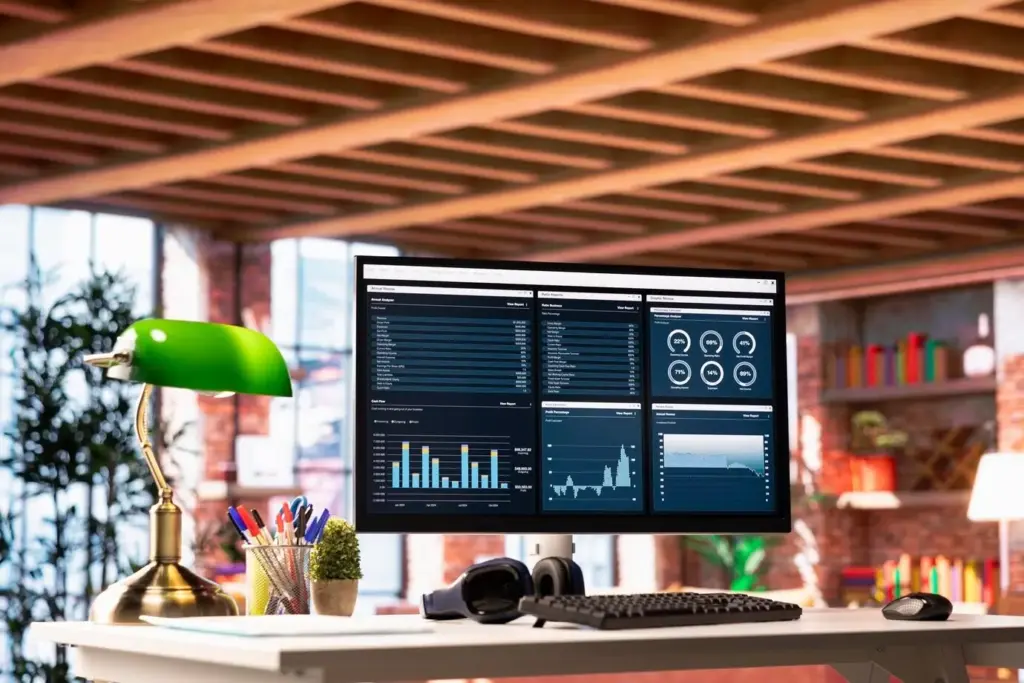
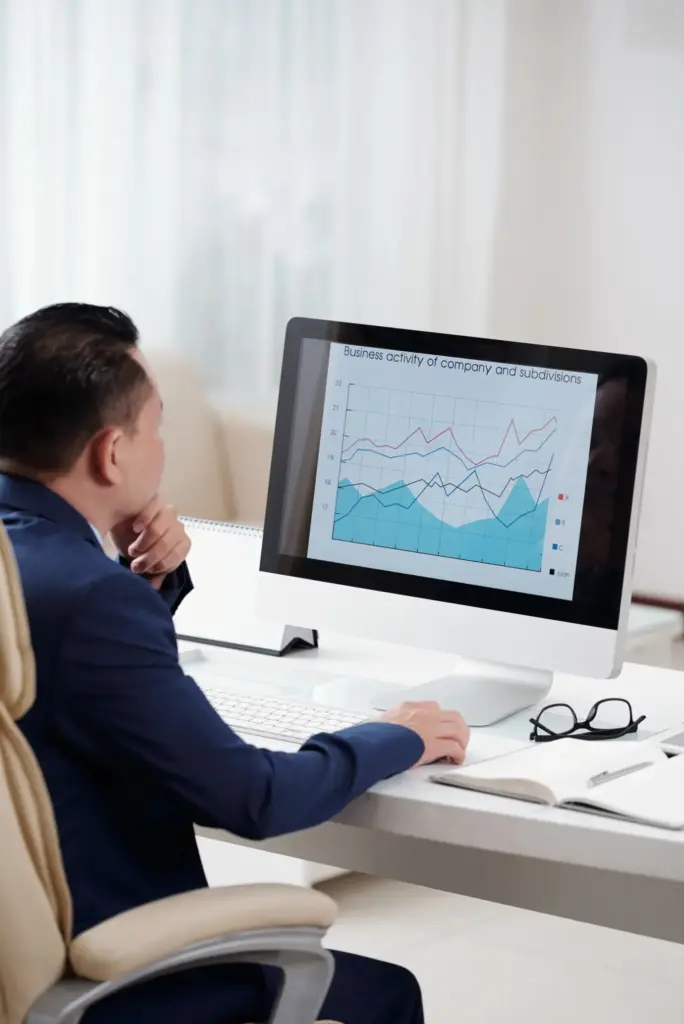
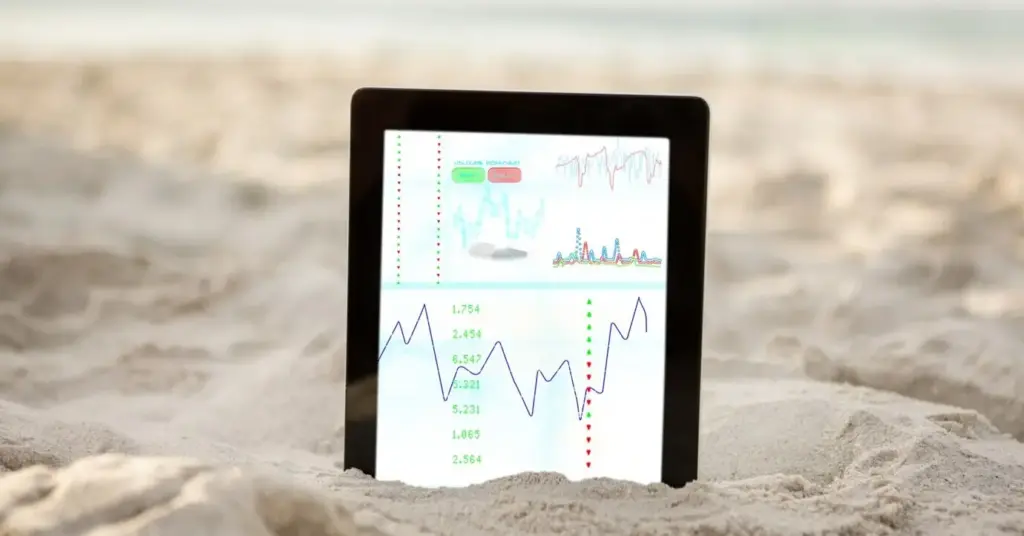
Separate leading indicators from lagging vanity metrics. Use consistent color logic and generous whitespace. Add micro‑explanations for non‑experts. When dashboards respect attention, cross‑functional teams align faster, ask better questions, and make smarter choices before the afternoon calendar swallows momentum again.
Batch notifications to predictable windows, escalate only on clear thresholds, and provide one‑tap context. People should feel informed, not haunted. Healthy alert hygiene protects morale, reduces rework, and preserves the human benefits of a real break while still catching urgent exceptions in time.