
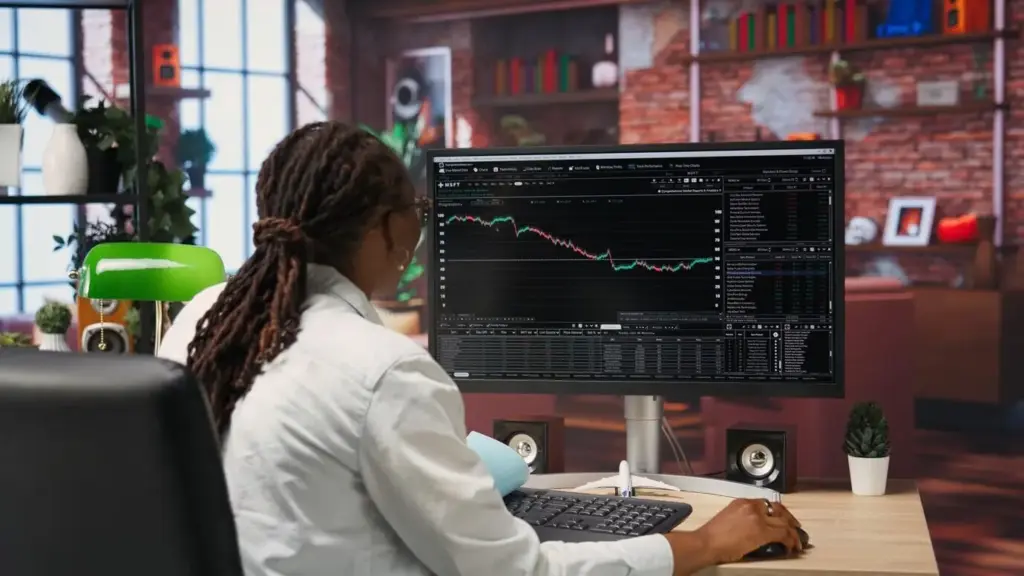





When Price Speaks: Market Stories in Pure Charts

Today we spotlight Chart-Only Market Recaps—concise, visual summaries that strip market action down to price, volume, and levels. By focusing on clean charts and minimal annotation, you grasp structure faster, avoid narrative traps, and build repeatable review habits. Join us to explore workflows, pattern cues, and collaboration rituals that let visuals do the heavy lifting, spark honest conversations, and save time without sacrificing depth, context, or the actionable clarity traders need every single session.

Minimal Signals, Maximum Clarity

Choose a small, consistent set of elements—candles, volume, anchored VWAP, and two moving averages. Mark only swing points and key gaps that genuinely change risk. By removing decorative indicators and noisy overlays, you force attention onto auction behavior, liquidity shifts, and clean levels, making every recap faster to read, easier to compare, and far harder to misinterpret under pressure when decisions matter most.

Timeframes That Tell the Whole Story

Pair a higher timeframe that establishes context with a tactical timeframe showing execution windows. Weekly or daily frames define trend and major levels, while four-hour, one-hour, or fifteen-minute views reveal triggers. Occasionally include monthly for regime shifts. This pairing prevents tunnel vision, aligns expectations with volatility, and improves risk placement without verbose explanation, allowing your recap to communicate intent and setup location at a glance.

Consistency Trains the Eye

Use the same color scheme, pane order, and annotation style every day. Familiarity reduces friction, lets patterns emerge across sessions, and helps readers compare situations quickly. Consistent visuals also build trust, making your language legible to newcomers without instructions. Over weeks, the brain anticipates where to look, drastically cutting review time and making your Chart-Only Market Recaps both accessible and rigorously repeatable.

Seeing the Session Clearly

Visual-first recaps compress a chaotic day into understandable frames, emphasizing decisive breaks, failed retests, and rotations across sectors without burying the essentials under paragraphs. With sharper highlights and fewer words, your brain compares shapes and levels instinctively, improving retention and reaction speed. Over time, this practice trims cognitive load, preserves objectivity, and keeps your attention where edge actually lives: structure, location, and participation revealed directly on the chart.

The Visual Toolkit That Keeps You Honest

A disciplined toolkit anchors clarity. Candlestick or OHLC bars show rejection, absorption, and balance areas; anchored VWAP frames participation since a meaningful event; moving averages hint at slope and pace; volume bars reveal conviction. Resist indicator sprawl. Every overlay must earn its place by simplifying interpretation. The fewer tools you carry, the easier it becomes to spot alignment without storytelling or confirmation bias creeping in unnoticed.

A Fifteen-Minute Workflow From Close to Click

Speed matters when attention is scarce. A reliable routine—collect, curate, annotate, publish—transforms end-of-day chaos into a crisp visual package. Predefined watchlists, saved chart layouts, and a brief checklist eliminate hesitation. The goal is not perfection; it is consistent delivery that captures structure, preserves objectivity, and invites discussion before fatigue blurs the details that made the session genuinely instructive.

Training Pattern Recognition Without Overfitting

Pattern recognition grows from exposure and feedback, not from naming every formation. By logging consistent, minimal visuals, you learn to feel the difference between a clean trend continuation and a tired squeeze. Guard against curve fitting by emphasizing location and context over clever labels, documenting what failed, and reviewing sequences rather than isolated snapshots for durable understanding.

One Visual Language Across Markets

Whether you track equities, futures, FX, or crypto, a consistent visual grammar travels well. Levels, volume, and anchored participation are universal. By standardizing layouts, you make cross-asset comparisons natural and fast. A chart-only approach also respects platform limitations, keeping the focus on behavior rather than bells and whistles that change from instrument to instrument.

Intraday vs. Swing Recaps

Intraday snapshots emphasize pace, liquidity pockets, and auction shifts around session opens and closes. Swing snapshots prioritize higher-timeframe structure, value migration, and weekly inflection points. Use identical templates with different timeframe pairs, so readers instantly recognize what matters today versus what shapes the next weeks, enabling smooth transitions across horizons without reinventing your visual language.

Macro Snapshots With Minimalism

For indices, rates, and commodities, a single chart can carry surprising depth. Plot multi-month levels, key event anchors, and volume spikes at turning points. Resist text-heavy overlays. Let relative positioning do the work. Readers should grasp whether risk is building or releasing in seconds, equipping them to place sector moves inside a broader, credible, and consistently interpretable landscape.

Crypto Volatility Without the Hype

Crypto rewards clarity and punishes drama. Highlight liquidity zones, funding squeezes around key anchors, and momentum shifts through simple moving averages. Avoid sentiment screenshots or memes. A clean chart-only recap reveals whether a move is acceptance or rejection, helping followers tune out noise, protect capital, and recognize when structural shifts outlast the headline cycle or influencer excitement.


Invite Reader Annotations

Share blank versions of select charts and invite annotations from your audience. Compare submissions with your final version. This simple loop exposes blind spots, surfaces creative perspectives, and deepens buy-in. People remember what they mark up themselves, and your recap gains legitimacy through transparent process and participatory discovery rather than authority claims or complex rhetoric.

Run Polls and Compare Setups

After posting, run a quick poll: continuation, fade, or balance at key reference? Revisit the next day with the outcome illustrated. This rhythm turns passive viewing into active learning, keeps engagement focused on structure, and gradually trains a shared intuition for what matters, reducing overreactions and improving patience when markets stall or whip unexpectedly.
Pufuxemazunalorezevazo
Privacy Overview

This website uses cookies so that we can provide you with the best user experience possible. Cookie information is stored in your browser and performs functions such as recognising you when you return to our website and helping our team to understand which sections of the website you find most interesting and useful.